
PRANAYAMA
The true purpose
of Pranayama
The origins
of Pranayama
In Europe, we often turn to breathing practices to reduce stress, improve sleep or enhance performance. While pranayama certainly offers these benefits, its true purpose reaches far beyond them.
Its deeper aim is to prepare the human being for a more refined state of consciousness.
Each conscious breath gradually steadies the fluctuations of the mind, refines our perception and develops our capacity for sustained attention. With time, our energy ceases to scatter outward. Instead, it is gathered, conserved and directed inward.
The earliest references to prana appear in the Upanisads, written centuries before the Common Era. There, the ancient sages describe the breath as the very manifestation of life itself.
Later, Patañjali established pranayama as the fourth limb of the Astanga Yoga where the breath is an essential step toward inner awareness.
In the Yoga Sūtra (II.49), he writes:
"Pranayama is the conscious regulation of inhalation, exhalation and their pauses, after the posture has become steady and comfortable."
For T. Krishnamacharya, this aphorism is fundamental. It reminds us that the breath should never be practiced independently of the body. The body must first be prepared so that the breath can gradually become freer, longer and more subtle.
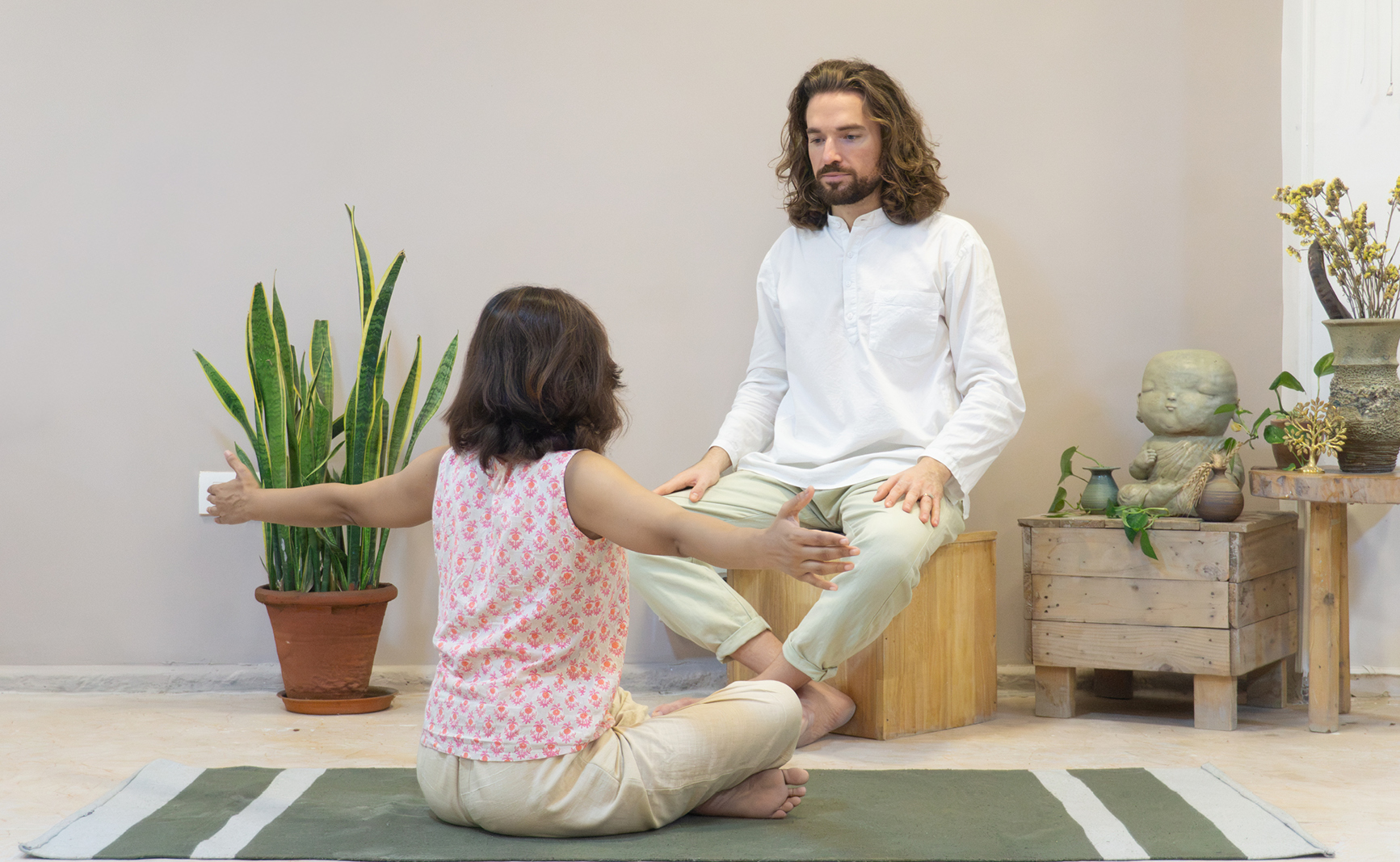
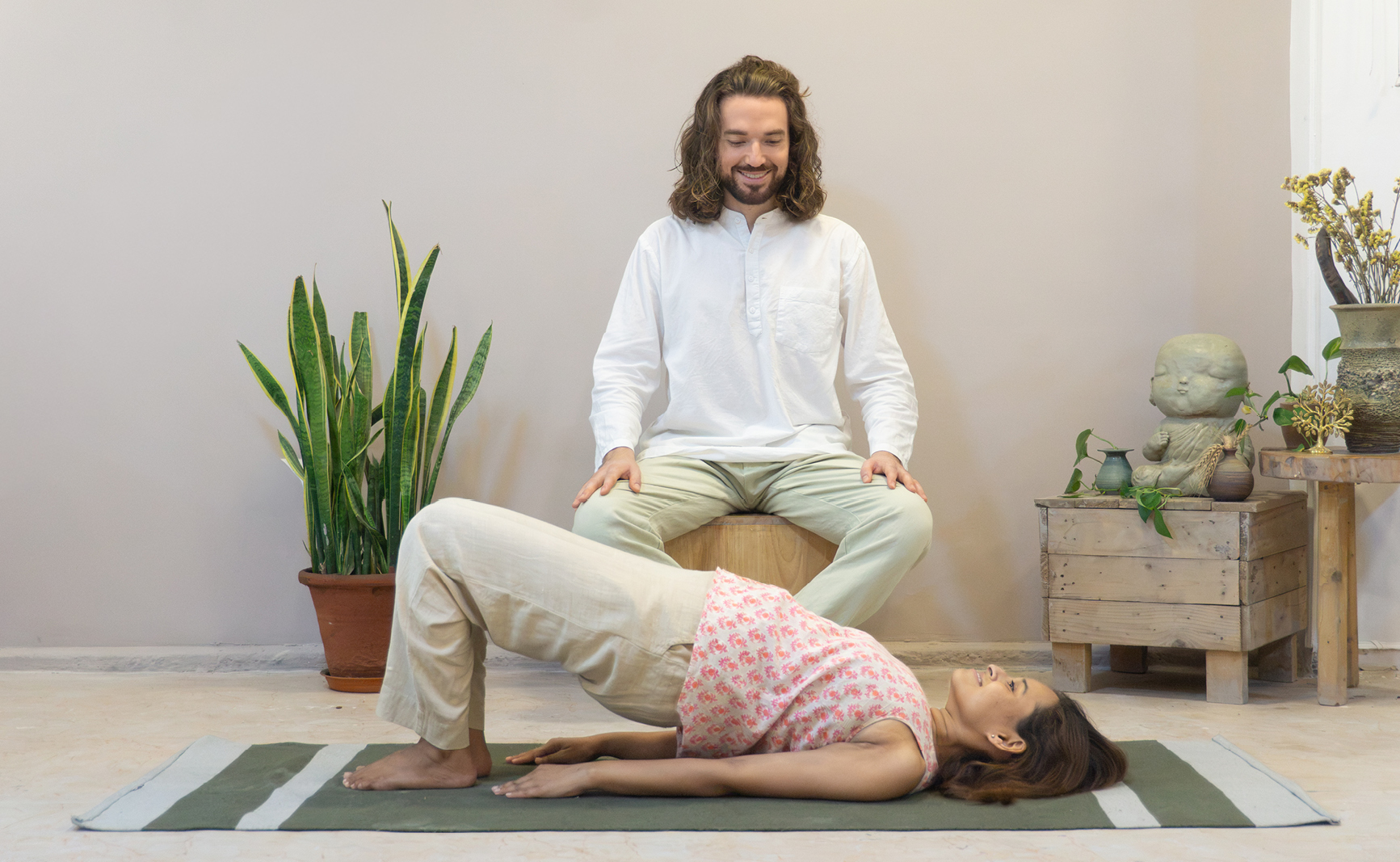
Pranayama: the art of cultivating the lifeforce
When the word pranayama is translated, it is often understood simply as "breath control." Yet this definition barely scratches the surface of its true meaning.
The term is composed of two Sanskrit words.
Prana refers to the vital lifeforce, the invisible energy that animates every living being. It is not merely the air we breathe, it is the very breath of life, present in every cell, every movement and every thought.
The second word, ayama, means expansion, extension, refinement or gradual mastery.
Pranayama is therefore the art of expanding, refining and directing our vital energy through the breath.
According to T. Krishnamacharya, breathing is the only physiological process that is both automatic and voluntary.
It is precisely this unique characteristic that makes it an extraordinary gateway into our inner world.
As we learn to breathe consciously, we begin to influence our emotional state, our quality of presence and gradually, our entire way of being in the world.
The breath then becomes our greatest teacher.
of Pranayama
In Europe, we often turn to breathing practices to reduce stress, improve sleep or enhance performance.
While pranayama certainly offers these benefits, its true purpose reaches far beyond them. Its deeper aim is to prepare the human being for a more refined state of consciousness.
Each conscious breath gradually steadies the fluctuations of the mind, refines our perception and develops our capacity for sustained attention.
With time, our energy ceases to scatter outward. Instead, it is gathered, conserved and directed inward.
of cultivating the lifeforce
When the word pranayama is translated, it is often understood simply as "breath control." Yet this definition barely scratches the surface of its true meaning. The term is composed of two Sanskrit words.
Prana refers to the vital lifeforce, the invisible energy that animates every living being. It is not merely the air we breathe, it is the very breath of life, present in every cell, every movement and every thought.
The second word, ayama, means expansion, extension, refinement or gradual mastery.
Pranayama is therefore the art of expanding, refining and directing our vital energy through the breath.
According to T. Krishnamacharya, breathing is the only physiological process that is both automatic and voluntary. It is precisely this unique characteristic that makes it an extraordinary gateway into our inner world.
As we learn to breathe consciously, we begin to influence our emotional state, our quality of presence and gradually, our entire way of being in the world. The breath then becomes our greatest teacher.
of Pranayama
The earliest references to prana appear in the Upanisads, written centuries before the Common Era. There, the ancient sages describe the breath as the very manifestation of life itself.
Later, Patañjali established pranayama as the fourth limb of the Astanga Yoga where the breath is an essential step toward inner awareness.
In the Yoga Sutra (II.49), he writes:
"Pranayama is the conscious regulation of inhalation, exhalation and their pauses, after the posture has become steady and comfortable."
For T. Krishnamacharya, this aphorism is fundamental. It reminds us that the breath should never be practiced independently of the body. The body must first be prepared so that the breath can gradually become freer, longer and more subtle.
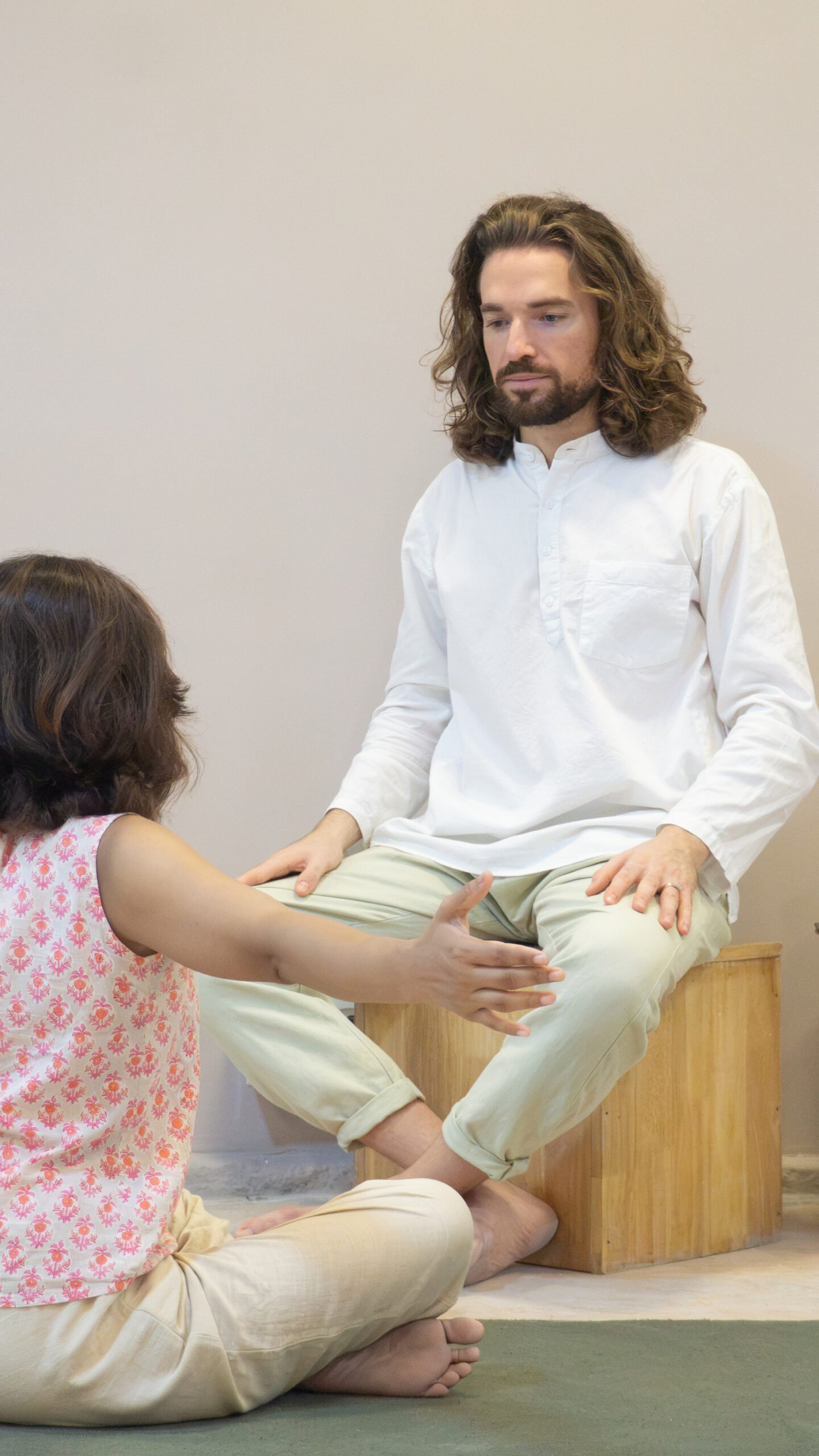
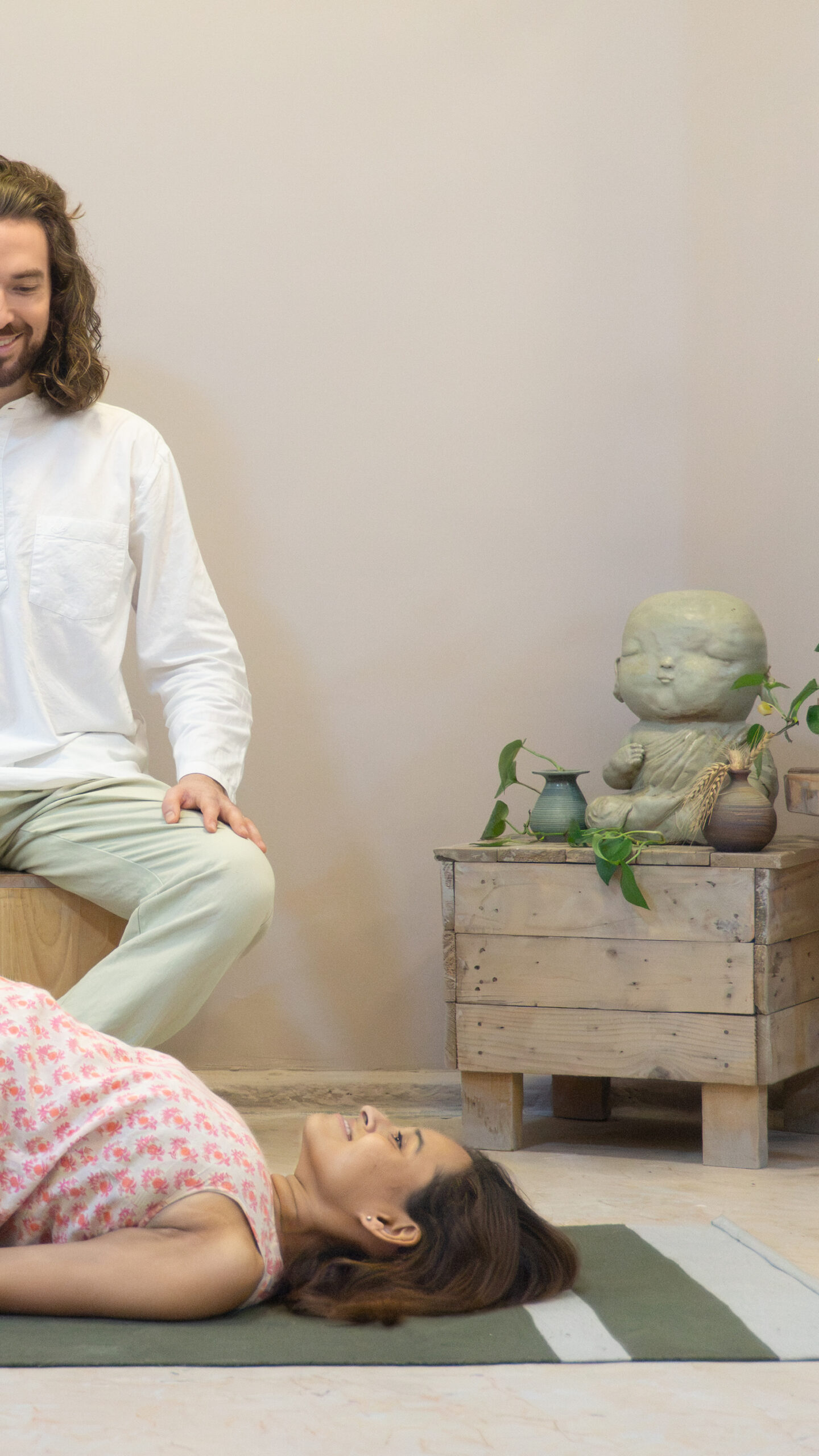
As the breath becomes calm, the mind naturally grows quieter. When the mind settles, we are more and more aware of our presence. Meditation is no longer something we strive to achieve or to do. It becomes a natural state of being.
GET IN TOUCH
Phone: +33 6 42 10 16 80
Email: hello@paulyoga.com
Instagram: @paulyoga
Copyright © 2026 Paul Yoga.
Photos © Manan Dhamija
All rights reserved.
Phone: +33 6 42 10 16 80
Email: hello@paulyoga.com
Instagram: @paulyoga
Copyright © 2026 Paul Yoga. All rights reserved.
Photos © Manan Dhamija
